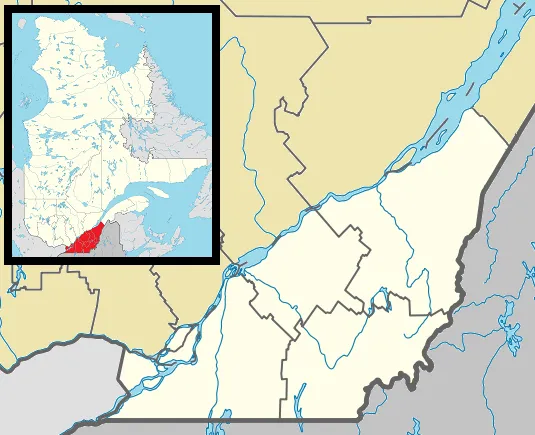
Kahnawake is worth a stop: 10 minutes from Montréal-Ouest, 10km from Saint Joseph's Oratory of Mount Royal.
Kahnawake is in Quebec, Canada, with about 8,000 people. You drive on the right here. The nearest town is Montréal-Ouest, about 5 km away.
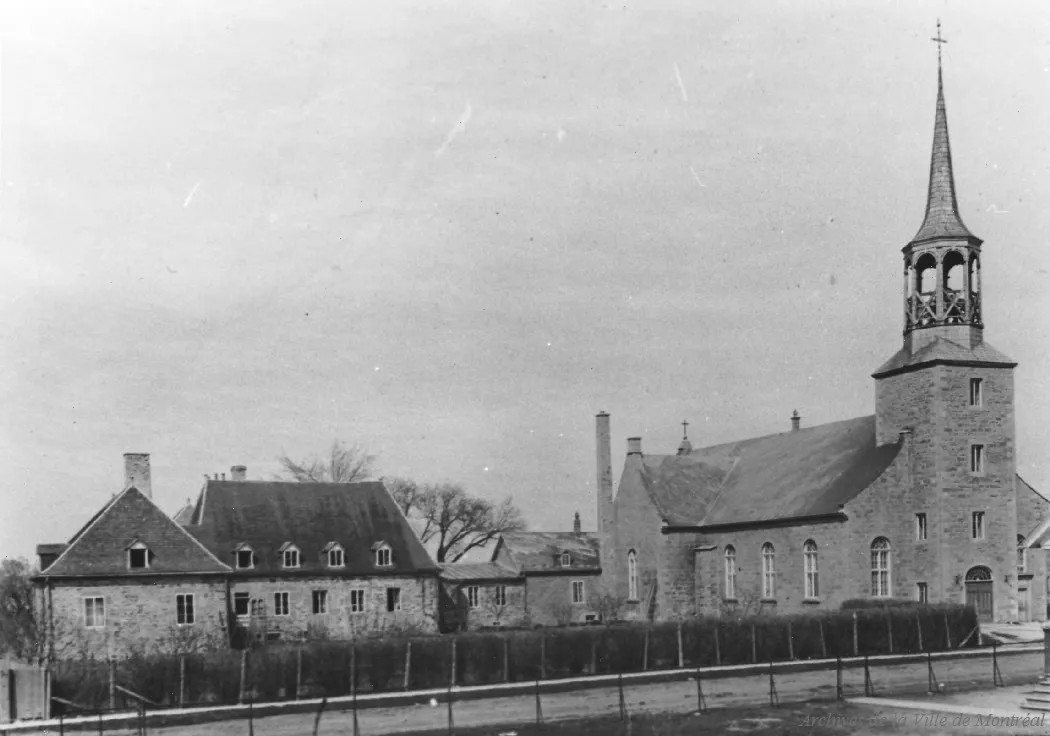
The Kahnawà꞉ke Mohawk Territory (French: Territoire Mohawk de Kahnawake, pronounced [ɡahnaˈwâːɡe] in the Mohawk language, Kahnawáˀkye in Tuscarora) is a First Nations reserve on the south shore of the Saint Lawrence River in Quebec, Canada, across from Montreal. Established as Seigneury Sault du St-Louis by FrenchRead more Canadians in 1719 as a Jesuit mission, it was formerly known as Caughnawaga (after the ancestral Mohawk villages named Caughnawaga (Kahnàwa꞉ke) in the Mohawk Valley of New York). There are 17 European spelling variations of the Mohawk Kahnawake and the name Kahnawà꞉ke refers to at least three historical places in New York State, in addition to the latest one.
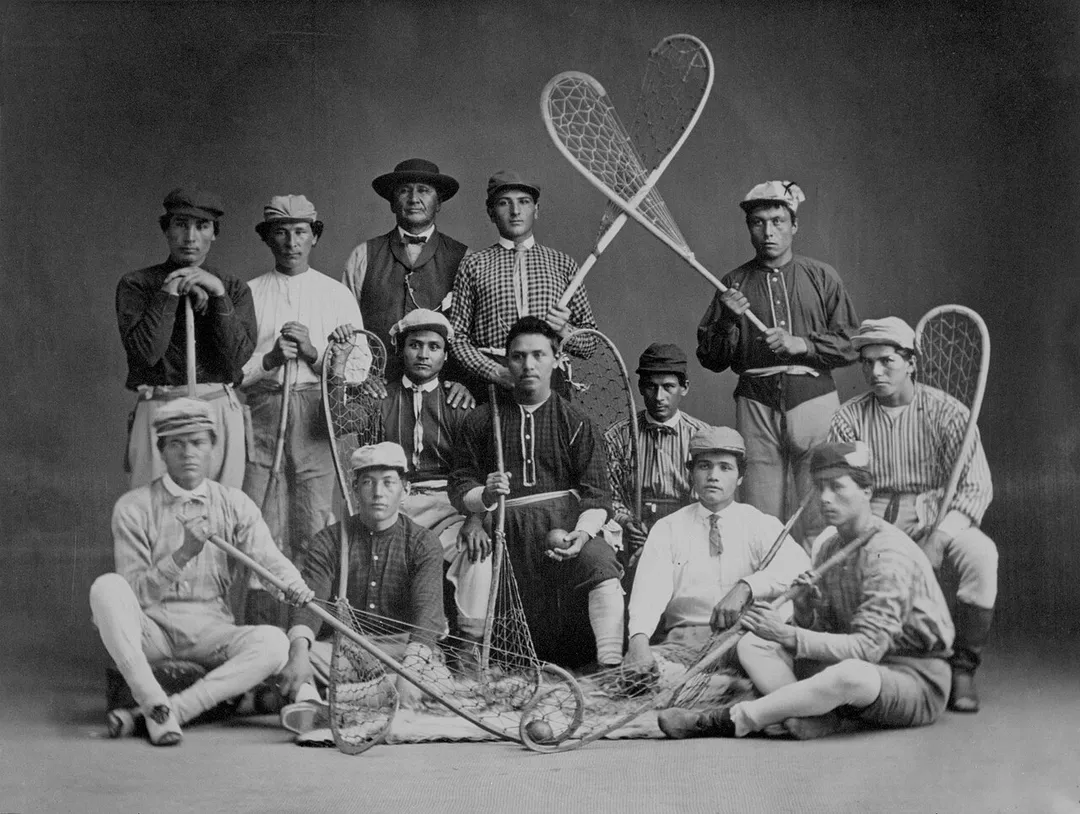
Kahnawà꞉ke's territory totals an area of 48.05 km2 (18.55 sq mi). Its resident population numbers slightly above 8,000, with a significant number living off reserve. Its land base today is unevenly distributed due to the federal Indian Act, which governs individual land possession. It has rules that are different from those applying to Canadian non-reserve areas. Most Kahnawà꞉ke residents originally spoke Kanien'kéha, the Mohawk language, and some learned French when trading with and allied with French colonists. Together with most of four Haudenosaunee nations, including the Mohawk, they allied with the British government during the American Revolutionary War and the Lower Canada Rebellion. They have since become mostly English speaking.
Although people of European descent traditionally refer to the residents of Kahnawake as Mohawk, their autonym is Kanien’kehá꞉ka (the "People of the Flint"). Another meaning is "those who speak [the language] Kanien'kéha"). The Kanien’kehá꞉ka were historically the most easterly nation of the Haudenosaunee (Six Nations Iroquois Confederacy) and are known as the "Keepers of the Eastern Door". They controlled territory on both sides of the Mohawk River and west of the Hudson River in present-day New York, where they protected other parts of the confederacy to the west against invasion by tribes from present-day New England and the coastal areas.
Kahnawake is one of several self-governing Kanien’kehá꞉ka territories of the Mohawk Nation within the borders of Canada, including Kanesatake on the north shore of the Saint Lawrence River northwest of Montreal; Tyendinaga in Ontario; Akwesasne, which straddles the borders of Quebec, Ontario and New York across the Saint Lawrence River; and the Six Nations of the Grand River in Ontario north of Lake Erie. In the late 18th and early 19th centuries, the British considered Kahnawake one of the Seven Nations of Canada.
The name is derived from the Mohawk word kahnawà꞉ke, meaning "place of the rapids", referring to their major village Caughnawaga near the rapids of the Mohawk River in what is today central New York. When converted Catholic Mohawk moved to the Montréal area, they named the new settlement after their former one. The proximity of the Lachine Rapids also influenced their naming decision.
Within an hour or so of Kahnawake: Saint Joseph's Oratory of Mount Royal (10 km), Notre-Dame Basilica of Montreal (14 km), Circuit Gilles Villeneuve (16 km).
Are there any good drives near Kahnawake?
The nearest famous roads are Mont-Tremblant, Whiteface Veterans Memorial Highway and Smugglers' Notch.
Where is Kahnawake?
Kahnawake is in Quebec, Canada, about 5 km from Montréal-Ouest.
Road trip
Drive to Kahnawake
Add it as a stop and the planner works out the driving, the nights and what's worth seeing on the way.
Canada's largest church, its dome rising 97 metres above the nave and 39 metres across. Pilgrims climb the central flight of 99 wooden steps on their knees, flanked by two concrete flights of 283.
10 km · about 20 min drive
cathedral
Notre-Dame Basilica of Montreal
A Gothic Revival basilica in Old Montreal known for its deep-blue vaulted interior and carved wooden altarpiece.
14 km · about 25 min drive
racetrack
Circuit Gilles Villeneuve
Semi-permanent circuit on Île Notre-Dame hosting the Canadian Grand Prix; outside race season its roads are open to cyclists, with the infamous Wall of Champions at the final chicane.