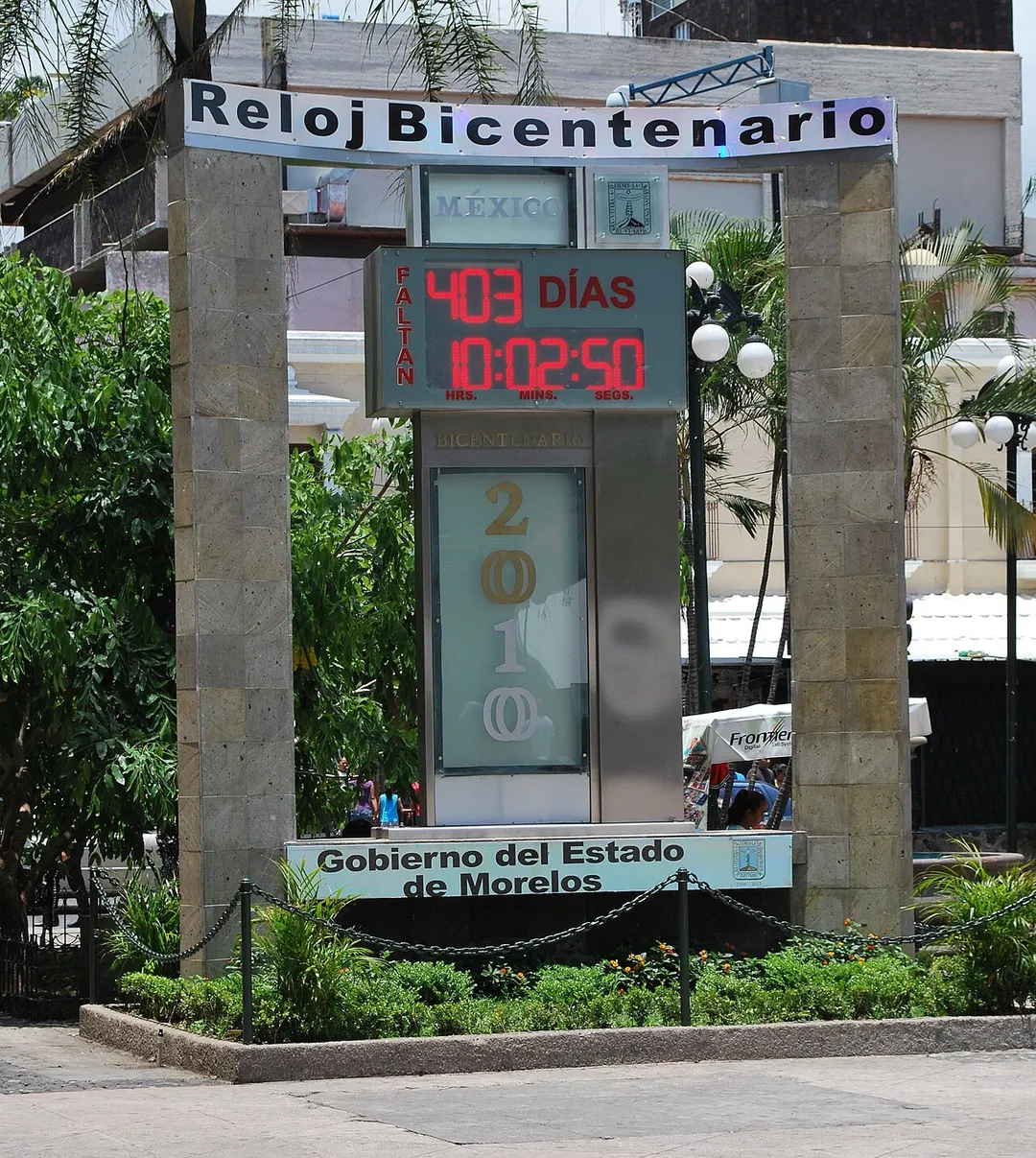
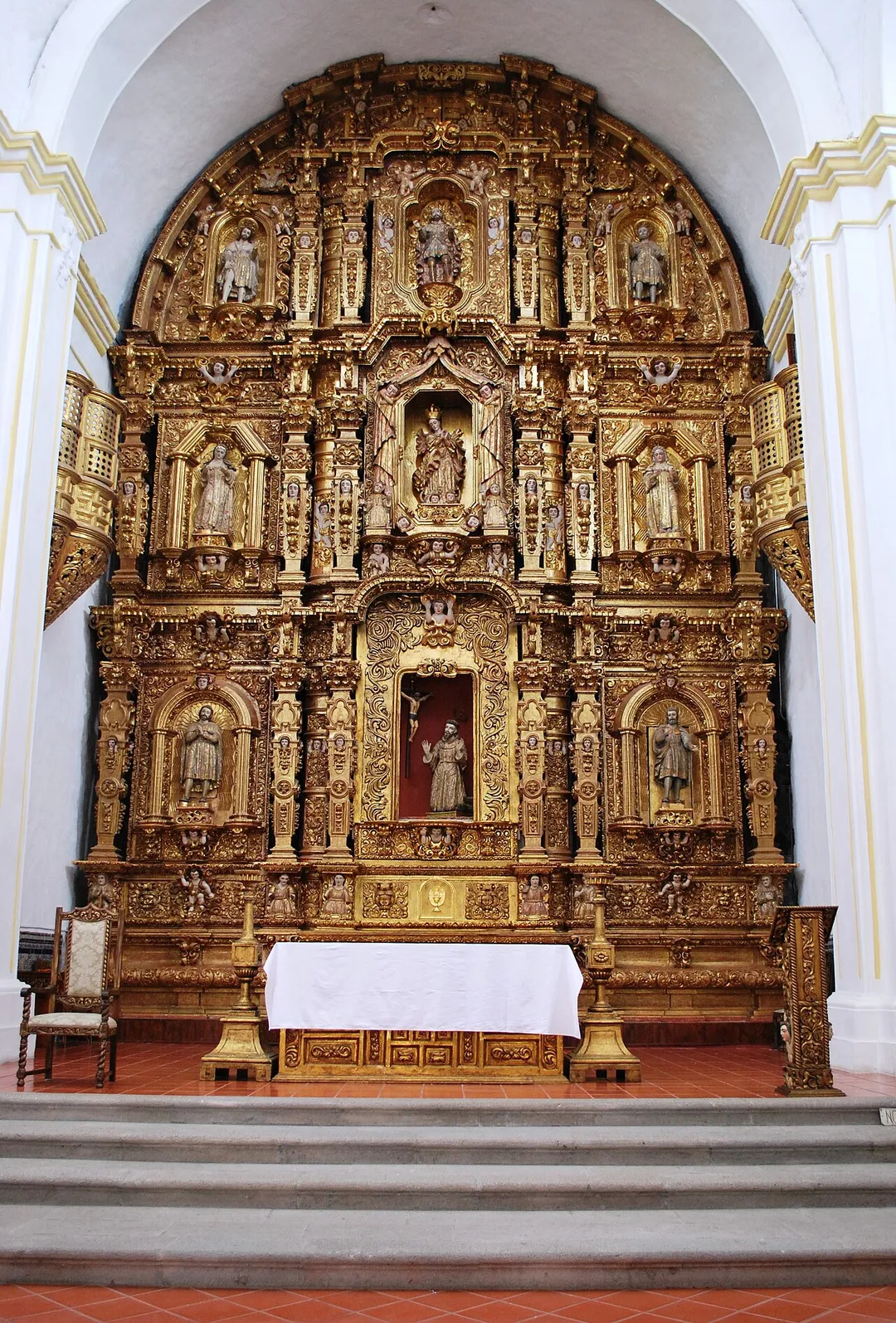
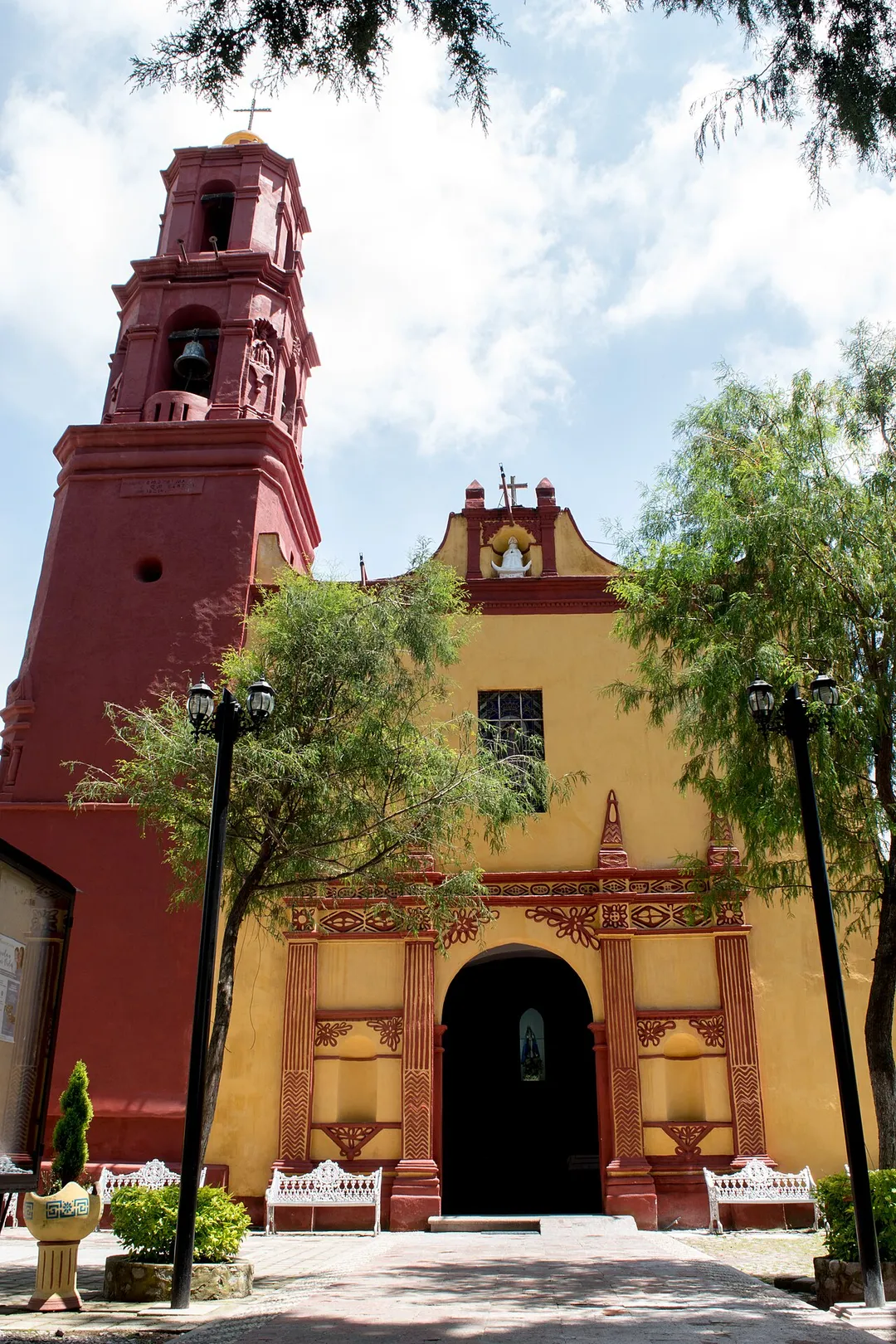
Cuernavaca is worth a stop: 10 minutes from Fraccionamiento Lomas de Ahuatlán, 28km from Malinalco.
Cuernavaca is in Morelos, Mexico, with about 340,000 people. You drive on the right here. The nearest town is Fraccionamiento Lomas de Ahuatlán, about 4 km away.
Cuernavaca is the capital and largest city of the state of Morelos in Mexico. Along with Chalcatzingo, it is likely one of the origins of the Mesoamerican civilization. Olmec works of art, displayed in the Museum of Anthropology in Mexico City, were found in the Gualupita III archeological site.
The city is locatedRead more south of Mexico City, reachable via a 90-minute drive along
the Federal Highway 95D.
The name Cuernavaca is a euphonism derived from the Nahuatl toponym Cuauhnāhuac and means 'surrounded by or close to trees'. The name was Hispanicized to Cuernavaca; Hernán Cortés called it Coadnabaced in his letters to Charles V, Holy Roman Emperor, and Bernal Díaz del Castillo used the name Cuautlavaca in his chronicles. The coat-of-arms of the municipality is based on the pre-Columbian pictograph emblem of the city that depicts a tree trunk (cuahuitl) with three branches, with foliage, and four roots colored red. There is a cut in the trunk in the form of a mouth, from which emerges a speech scroll, probably representing the language Nahuatl and by extension the locative suffix -nāhuac, meaning 'near'.
Cuernavaca has long been a favorite escape for Mexico City residents and foreign visitors because of its warm, stable climate and abundant vegetation. The municipality was designated a Forest Protection Zone by President Lázaro Cárdenas in 1937 to protect the aquifers, the vegetation, and the quality of life of residents, both in Mexico City and locally. The city was nicknamed the "City of Eternal Spring" by Alexander von Humboldt in the 19th century.
Aztec emperors had summer residences there, and considering its location of just a 1+1⁄2-hour drive from Mexico City, today many Mexico City residents maintain homes there. Cuernavaca is also host to a large foreign resident population, including large numbers of students who come to study the Spanish language.
A Morelos town under sheer volcanic cliffs, with a hilltop 13th-century pyramid to the pulque god reached by a steep hour's climb, a fortress-like Dominican convent, and a market known for exotic ice creams.
15 km · about 30 min drive
ancient ruins
Malinalco
Site of the Cuauhcalli, or House of Eagles: one of the very few temples in the Americas carved directly out of solid bedrock, reached by 400 steps up the Hill of the Idols above a quiet colonial town.
28 km · about 30 min drive
landmark
Xochimilco Floating Gardens
A network of ancient Aztec canals and artificial islands where colorful trajinera boats glide past floating gardens and mariachi bands.
39 km · about 45 min drive
landmark
Six Flags México
Mexico City's premier amusement park with world-class coasters and seasonal events in the south of the city.
41 km · about 45 min drive
museum
Museo Frida Kahlo (Casa Azul)
The vibrant blue house where Frida Kahlo was born, lived, and died, filled with her art, personal objects, and Diego Rivera's collection.
48 km · about 55 min drive
castle
Chapultepec Castle
A hilltop royal castle built in 1785, the only royal castle in the Americas, now housing the National Museum of History.
55 km · about 65 min drive
racetrack
Autódromo Hermanos Rodríguez
The Mexico City circuit hosting the Formula 1 Mexican Grand Prix, built around the Foro Sol stadium section.
55 km · about 65 min drive
museum
Museo Nacional de Antropología
The world's greatest museum of pre-Columbian art and archaeology, home to the Aztec Sun Stone and stunning Maya artifacts.
56 km · about 65 min drive
Driving roads near Cuernavaca
64 kmPaso de CortésThe 3,600-m saddle between the volcanoes Popocatépetl and Iztaccíhuatl, reached by a paved mountain road from Amecameca: the route Cortés marched into the Valley of Mexico in 1519.
When to drive here
Year-round
Tropical latitude: plan around the wet season rather than temperature.