Beersheba sits on the route: 10 minutes from ‘Omer, 47km from Ein Avdat.
Beersheba is in Southern District, Israel, with about 190,000 people. You drive on the right here. The nearest town is ‘Omer, about 6 km away.
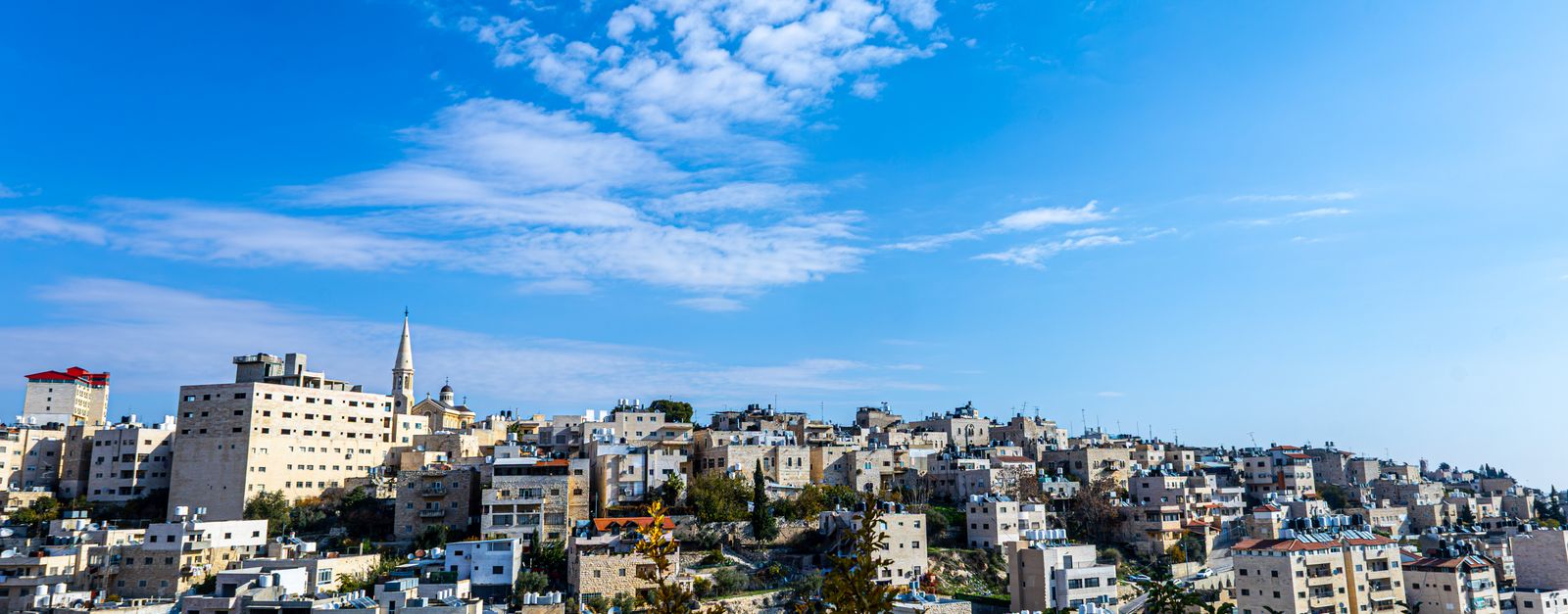
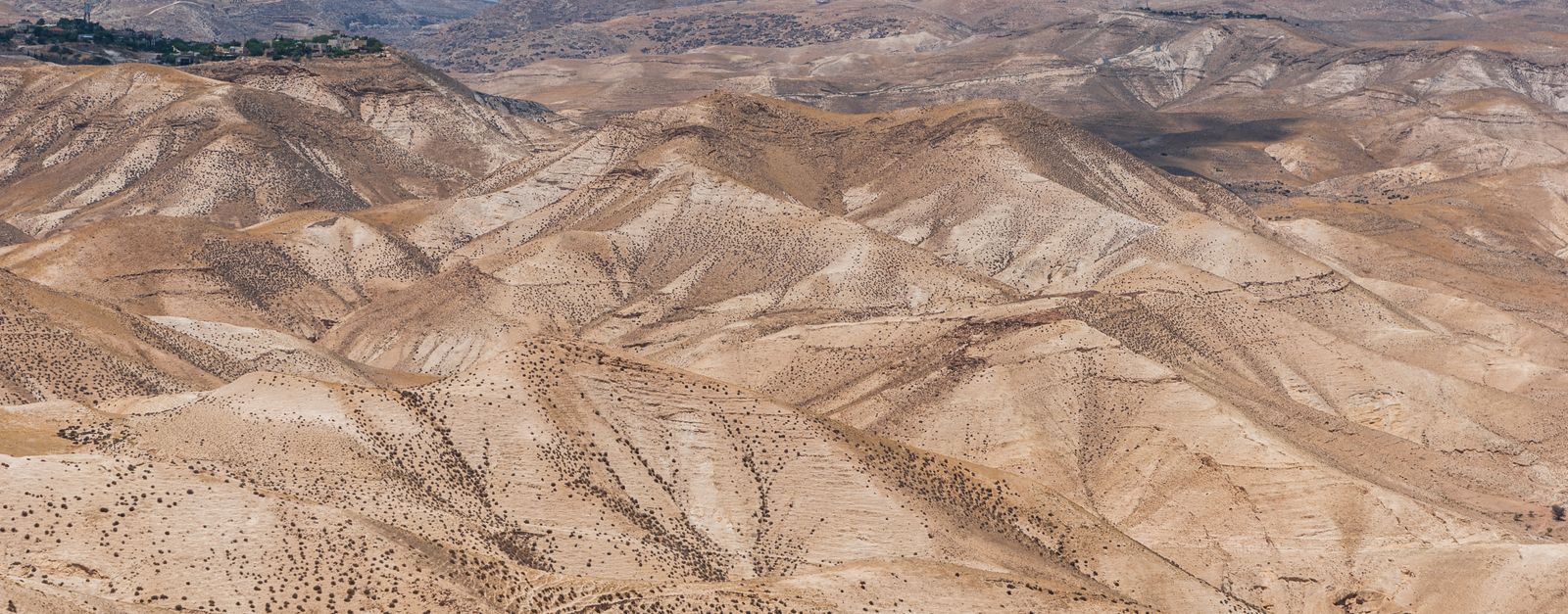
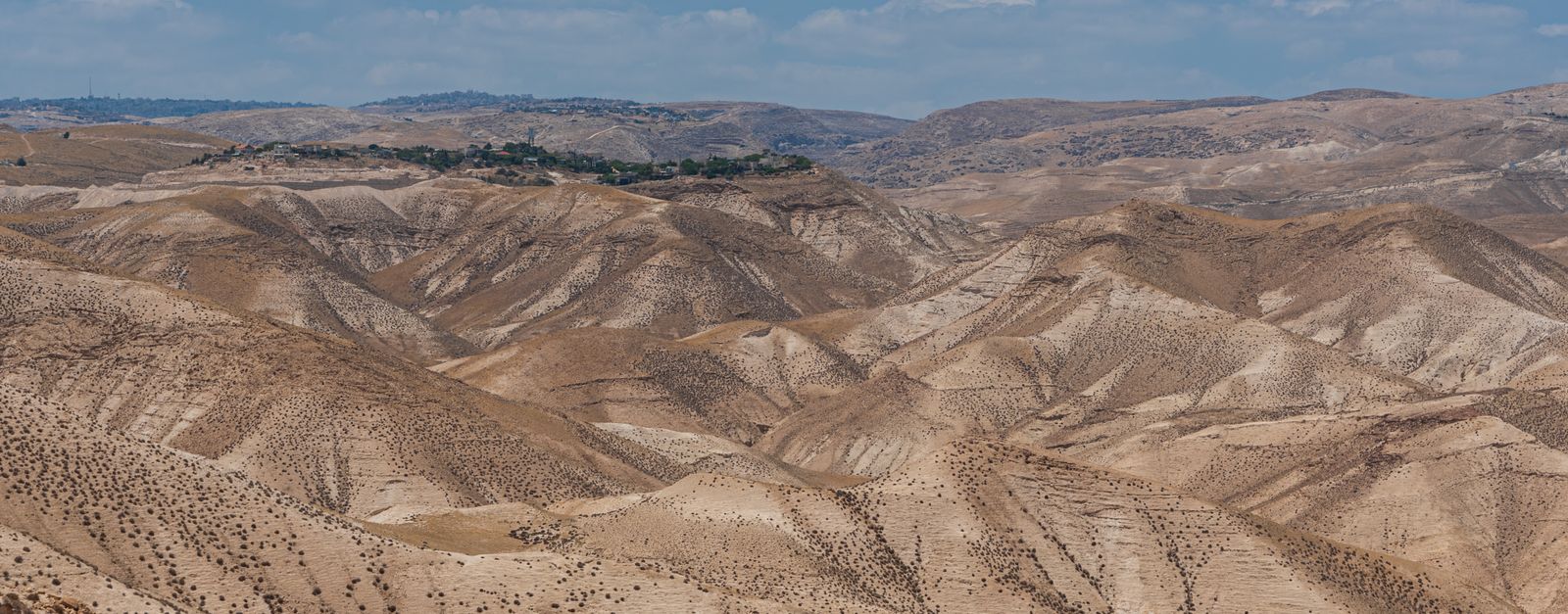
Beersheba ( beer-SHEE-bə), officially Be'er-Sheva ( bair-SHEV-ə), is the largest city in the Negev desert of southern Israel. Often referred to as the "Capital of the Negev", it is the centre of the fourth-most populous metropolitan area in Israel, the eighth-most populous Israeli city with a population of 223,587,Read more and the second-largest city in the area (after Jerusalem), with a total area of 117,500 dunams (117.5 square kilometres).
Human habitation near present-day Beersheba dates back to the fourth millennium BC. In the Bible, Beersheba marks the southern boundary of ancient Israel, as mentioned in the phrase "From Dan to Beersheba." Initially assigned to the Tribe of Judah, Beersheba was later reassigned to Simeon. During the monarchic era, it functioned as a royal city but eventually faced destruction at the hands of the Assyrians. The Biblical site of Beersheba is Tel Be'er Sheva, lying some 4 kilometres (2+1⁄2 miles) distant from the modern city, which was established at the start of the 20th century by the Ottomans. The city was captured by the British-led Australian Light Horse troops in the Battle of Beersheba during World War I.
The population of the town was completely changed in 1948–49 during the First Arab–Israeli War. Beersheba had been almost entirely Muslim, and the 1947 UN Partition Plan designated it to be part of the Arab state. It was occupied by the Egyptian army from May 1948 until October 1948 when it was captured by the Israel Defense Forces and part of the Arab population was expelled. Today, the metropolitan area is composed of approximately equal Jewish and Arab populations, with a large portion of the Jewish population made up of the descendants of Sephardi Jews and Mizrahi Jews who fled, relocated or were expelled from Arab countries after Israel's founding in 1948, as well as smaller communities of Bene Israel and Cochin Jews from India. Second and third waves of immigration have taken place since 1990, bringing Russian-speaking immigrants from the former Soviet Union as well as Beta Israel immigrants from Ethiopia. The Soviet immigrants have made the game of chess a major sport in Beersheba, and it is now Israel's national chess center, with more chess grandmasters per capita than any other city in the world.
Beersheba is home to Ben-Gurion University of the Negev. This city also serves as a center for Israel's high-tech and developing technology industry.
A gorge in the Negev's Zin Valley where three springs feed pools and a waterfall between white chalk walls, with Nabataean and Byzantine monastic caves cut into the cliff. Ibex come down to drink at the pools.
47 km · about 55 min drive
historic highway
Scorpions Ascent (Ma'ale Akrabim)
A serpentine 1950s road built over an ancient Nabataean-Roman trade route, snaking down the Negev cliffs toward the Arava with dizzying desert switchbacks.
50 km · about 60 min drive
ancient ruins
Masada
An ancient Roman fortress atop an isolated rock plateau overlooking the Dead Sea, site of the last Jewish stand against Rome in 73 CE.
54 km · about 60 min drive
beach
Dead Sea, Ein Bokek
The main beach and resort area on the Israeli shore of the Dead Sea, known for therapeutic mud baths and salt-crystal-covered shores.
55 km · about 65 min drive
Driving roads near Beersheba
3 named roads, passes and coastal drives within 150km.
50 kmScorpions Ascent (Ma'ale Akrabim)A serpentine 1950s road built over an ancient Nabataean-Roman trade route, snaking down the Negev cliffs toward the Arava with dizzying desert switchbacks.